3 easy-to-implement strategies that protect research momentum.
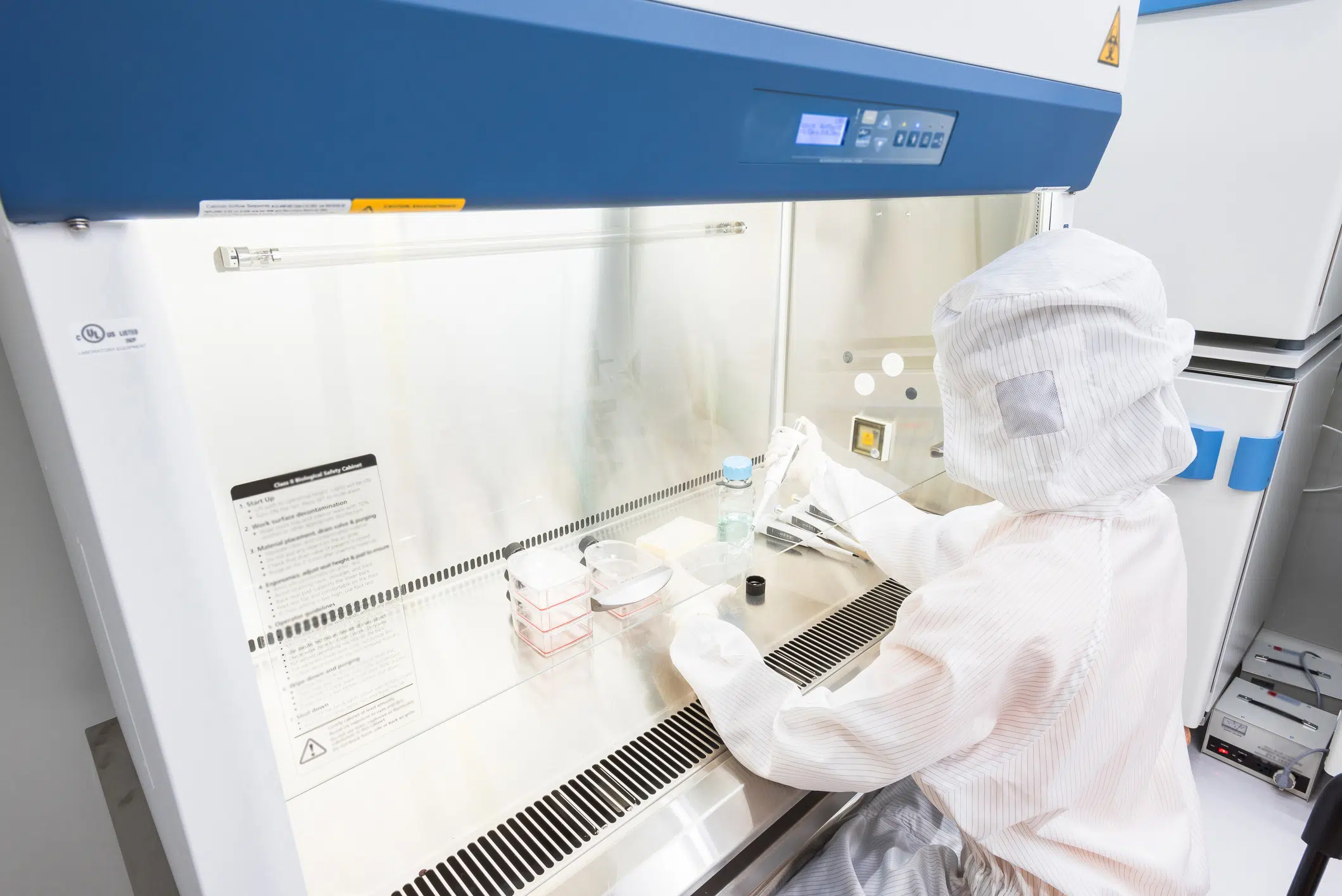
In most laboratories, downtime is often associated with complex equipment failures or unexpected technical issues.
In practice, the root cause is usually much simpler.
Downtime is frequently extended by operational gaps, missing information, delayed approvals, or unclear service pathways. These issues are not always apparent until an instrument fails, and response times become critical.
For lab operations and facilities teams, improving service outcomes does not always require large-scale system overhauls. In many cases, small adjustments to how assets are tracked, how service is coordinated, and how vendors are managed can significantly reduce downtime.
The following three strategies offer a practical framework for strengthening service performance and preserving research momentum.
Lever 1: Visibility
Building a Clear View of Your Asset Fleet
Reducing downtime begins with understanding what equipment is in place and how it is supported.
When an instrument goes down, response time is often delayed due to the lack of basic information needed to begin a service repair. When critical data points like serial numbers, warranty status, service providers, or even the physical location of the asset on-site are unavailable, delays compound.
Establishing a centralized asset list allows teams to access this information immediately. At a minimum, each asset record should include:
- Make and model
- Serial number
- Installation date
- Warranty status
- Location within the facility
- Criticality to operations
For smaller labs, this may be managed through a structured spreadsheet. As the number of instruments grows, more formal tracking systems become necessary to maintain accuracy and accessibility.
Clear visibility into your asset fleet enables faster service dispatch and ensures that systems function as intended.
Without it, even routine service events can become unnecessarily prolonged.
Lever 2: Preparedness
Design Service Pathways Before They Are Needed
The speed of recovery during an equipment failure is often determined before the failure occurs.
In many cases, the repair itself is not the longest delay. Administrative processes, such as purchase order approvals and vendor onboarding can add days to the service timeline.
These delays can be reduced by establishing simple operational processes in advance, such as:
- Blanket purchase orders for service work
- Pre-vetted and approved vendor lists
- Defined internal points of contact for service coordination
- Completed vendor onboarding documentation
For growing organizations, these steps help prevent operational bottlenecks as teams scale. For larger facilities, they reduce internal routing delays and enable faster decision-making during critical events.
Prepared labs are able to initiate service immediately, rather than navigating approvals while equipment remains offline.
Lever 3: Partnership Strategy
Align Service with Operational Risk
Service strategy is most effective when it reflects how equipment is actually used within the lab.
Not all instruments carry the same level of importance and treating them as such can lead to unnecessary costs or increased risk.
A more effective approach is to align service coverage with operational priorities using a simple framework:
Criticality + Usage + Budget = Service Strategy
This allows teams to assign appropriate levels of support, such as:
- Full service coverage for mission-critical systems
- Preventative maintenance with labor coverage for mid-tier equipment
- Time and materials for lower-risk instruments
Beyond coverage levels, ongoing collaboration with service providers can further improve outcomes. Sharing growth plans, service history, and involving partners in facilities changes helps shift service from reactive repairs to proactive support.
When service partners understand which assets are most critical, response becomes more targeted and downtime risk is reduced.
Small Changes, Measurable Impact
Each of these strategies: visibility, preparedness, and partnership, can be implemented incrementally without major disruption.
Together, they create a more structured and responsive service environment that supports faster recovery, better planning, and an overall reduced operational risk.
Even a single day of downtime on a critical instrument can have a measurable impact on research timelines, data integrity, and patient care.
Preventative maintenance plays a central role in reducing downtime. Regular, well-planned service helps identify issues early, reduce unexpected failures, and keep equipment operating within validated parameters.
For laboratories looking to take a more proactive approach, scheduling preventative maintenance with MarathonLS can help ensure equipment remains reliable, service events are predictable, and research momentum is protected.