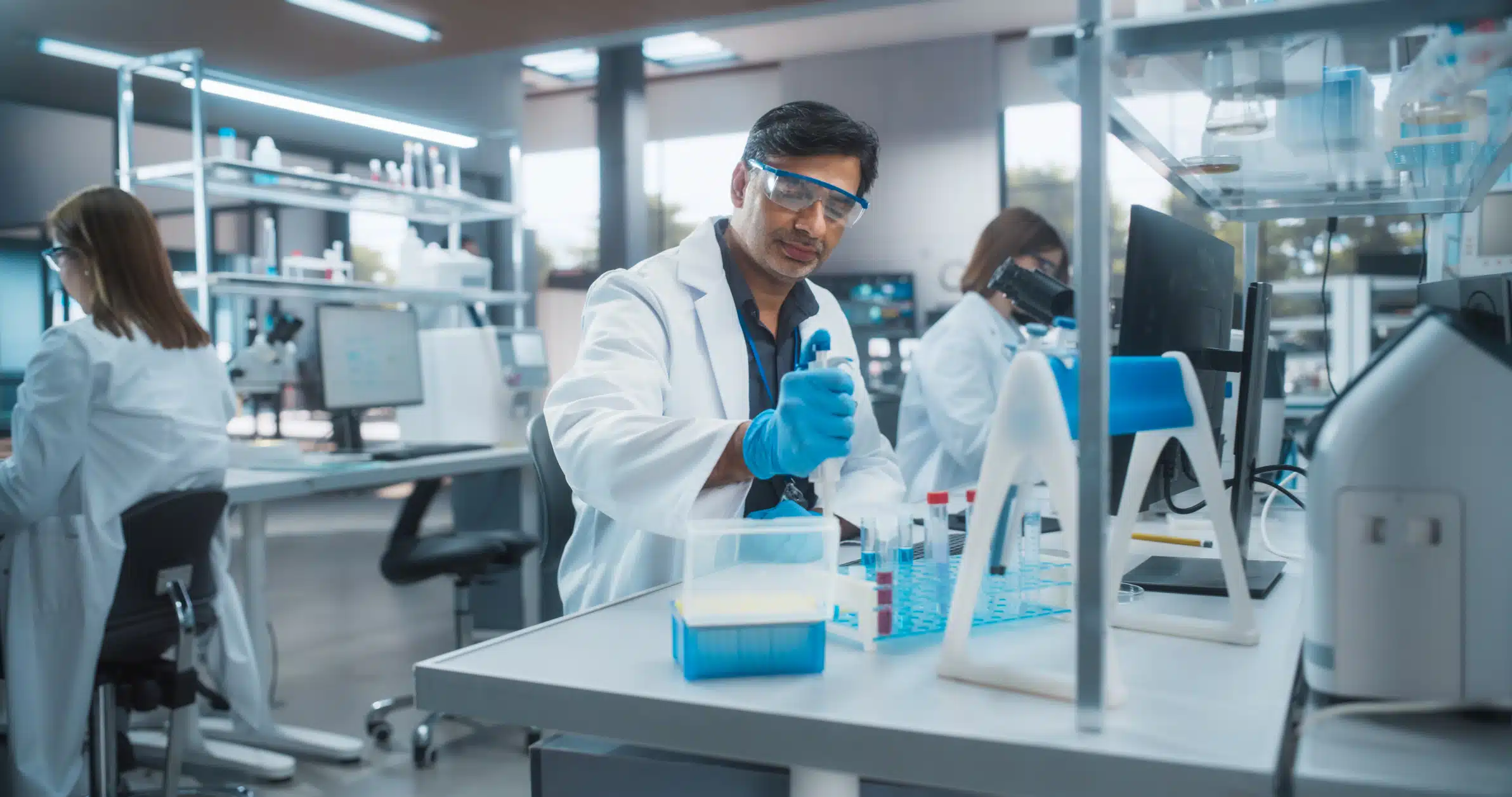
pH meters are foundational to research accuracy. From cell culture and buffer preparation to water quality monitoring and analytical testing, reliable pH measurements support both research integrity and regulatory compliance.
Routine calibration is therefore a standard practice in most laboratories. Establishing a consistent calibration schedule helps ensure that measurements remain accurate and defensible over time.
However, calibration schedules alone do not always capture the full picture of instrument performance. Factors such as electrode wear, environmental changes, and heavy usage can introduce drift between scheduled calibrations.
Recognizing early indicators that a pH meter may require recalibration allows laboratories to address small deviations before they affect experiments or research timelines.
Subtle Signs of Calibration Drift
Unlike mechanical failures, pH meter performance degradation is rarely apparent. The instrument powers on and the display functions as it should – measurements appear stable.
However, early warning signs often include:
Slower stabilization times
If readings take noticeably longer to settle, the electrode may be aging or contaminated. Drift during stabilization can indicate declining responsiveness.
Frequent need for slope adjustment
If calibration consistently requires significant slope or offset corrections, the electrode may be approaching the end of its usable life.
Inconsistent readings between identical samples
When repeat measurements vary beyond acceptable tolerance, calibration accuracy should be evaluated immediately.
Unexpected process variation
If buffers, media, or formulations suddenly fall outside expected ranges, the pH meter may be contributing to variability rather than the chemistry itself.
In regulated environments, these subtle shifts can accumulate into larger concerns if not addressed proactively.
Operations teams should consider:
- Has the electrode been exposed to harsh chemicals or extreme pH ranges?
- Has the meter been moved between rooms with different temperature or humidity conditions?
- Has there been heavy daily usage without adequate cleaning or storage solution maintenance?
- Has the instrument undergone repair or part replacement?
Environmental fluctuations and improper storage are among the most common causes of premature calibration drift.
The Risk of “Close Enough”
In research environments, minor pH deviations can influence reaction rates, protein stability, microbial growth, and long-term sample integrity. A deviation of even 0.1-0.2 pH units may appear insignificant, but in critical processes, it can introduce measurable variability.
Over time, small inaccuracies lead to:
- Reduced study reproducibility
- Batch-to-batch inconsistency
- Increased quality control burden
- Loss of valuable samples
Routine calibration is not merely procedural; it is a safeguard against cumulative scientific risk.
A More Strategic Approach to Calibration
While routine calibration provides an essential baseline, laboratories benefit from actively monitoring performance indicators that signal when recalibration is needed sooner.
Best practices include:
- Verifying slope percentage and offset values during each calibration
- NOTE: Proper slope percentage ranges from 95% to 105% and offset values should be ±30 mV
- Tracking electrode response time trends
- Documenting drift patterns over time
- Pairing calibration with routine preventative maintenance inspections
When frequent calibration adjustments are required, electrode replacement should be evaluated before measurement reliability is compromised.
Protecting Data Integrity
For facilities and operations teams, pH meters are more than benchtop instruments; they are control points within validated systems.
Calibration discipline protects:
- Research timelines
- Regulatory confidence
- Data integrity
- Operational efficiency
By recognizing the early indicators of drift and responding proactively, laboratories can prevent disruptions and maintain confidence in every measurement.
pH Meter Calibration and Troubleshooting Services from MarathonLS
MarathonLS supports laboratory teams with comprehensive pH meter troubleshooting and calibration services. From evaluating electrode performance to identifying environmental contributors to drift, service is performed with a focus on accuracy, traceability, and long-term reliability.
Contact MarathonLS to schedule your next pH meter calibration and protect the integrity of your lab’s research.